


How a Strong Business Credit Score Can Lower Your Insurance Premiums sets the stage for this enthralling narrative, offering readers a glimpse into a story that is rich in detail and brimming with originality from the outset.
The content of the second paragraph that provides descriptive and clear information about the topic
Importance of a Strong Business Credit Score
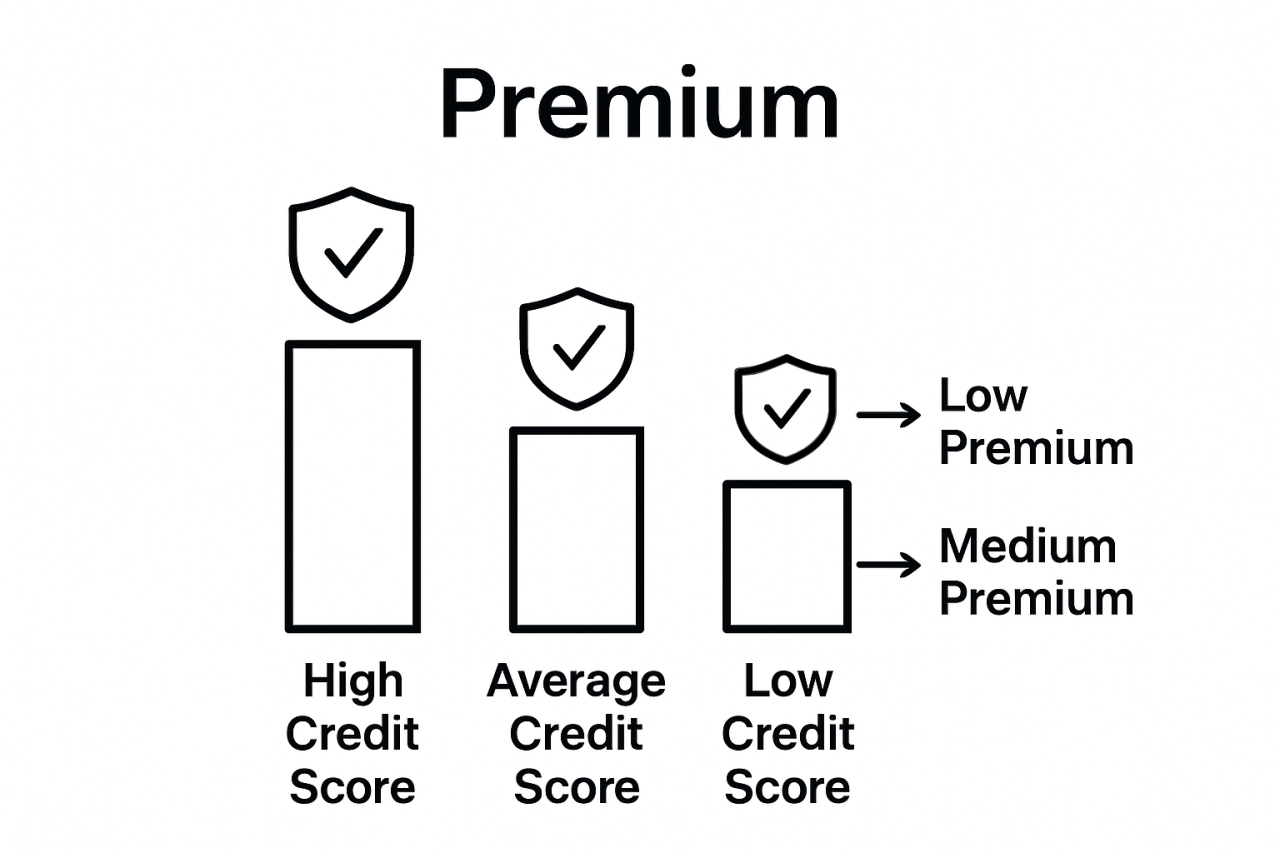 Having a strong business credit score is crucial for lowering insurance premiums as it demonstrates financial stability and responsibility. Insurance companies often use credit scores as a factor in determining the risk associated with insuring a business. A good credit score reflects positively on a company's ability to manage finances and pay bills on time, which can lead to lower insurance premiums.
Relationship between Creditworthiness and Risk Assessment
Insurance companies use credit scores to assess the creditworthiness of a business, which helps them determine the level of risk involved in insuring that business. A strong credit score indicates that a business is financially stable and less likely to default on payments, reducing the risk for the insurance company. As a result, businesses with high credit scores are often rewarded with lower insurance premiums compared to those with poor credit scores.Impact of Business Credit Score on Insurance Premiums
Having a strong business credit score can significantly impact the insurance premiums your company pays. Insurance companies often use credit information to assess the risk associated with insuring a business, which can ultimately affect the cost of premiums.
Lower Premiums with High Credit Score
Insurance companies generally view businesses with higher credit scores as less risky to insure. As a result, companies with strong credit scores are more likely to receive lower insurance premiums compared to businesses with lower credit scores.
Insurance Types Impacted by Credit Scores
- Commercial Property Insurance: Companies with higher credit scores may qualify for lower premiums on commercial property insurance, as insurance providers consider them less likely to file claims.
- Business Liability Insurance: A strong credit score can lead to reduced premiums for business liability insurance, as it indicates financial stability and responsibility.
- Workers' Compensation Insurance: Insurance companies may offer better rates on workers' compensation insurance to businesses with high credit scores, reflecting a lower risk of claims.
Assessment of Claim Likelihood
Insurance companies use credit information to assess the likelihood of a business filing claims. A higher credit score suggests that a business is more financially stable and less likely to default on payments, reducing the perceived risk for insurance providers.
Factors Influencing Insurance Premiums
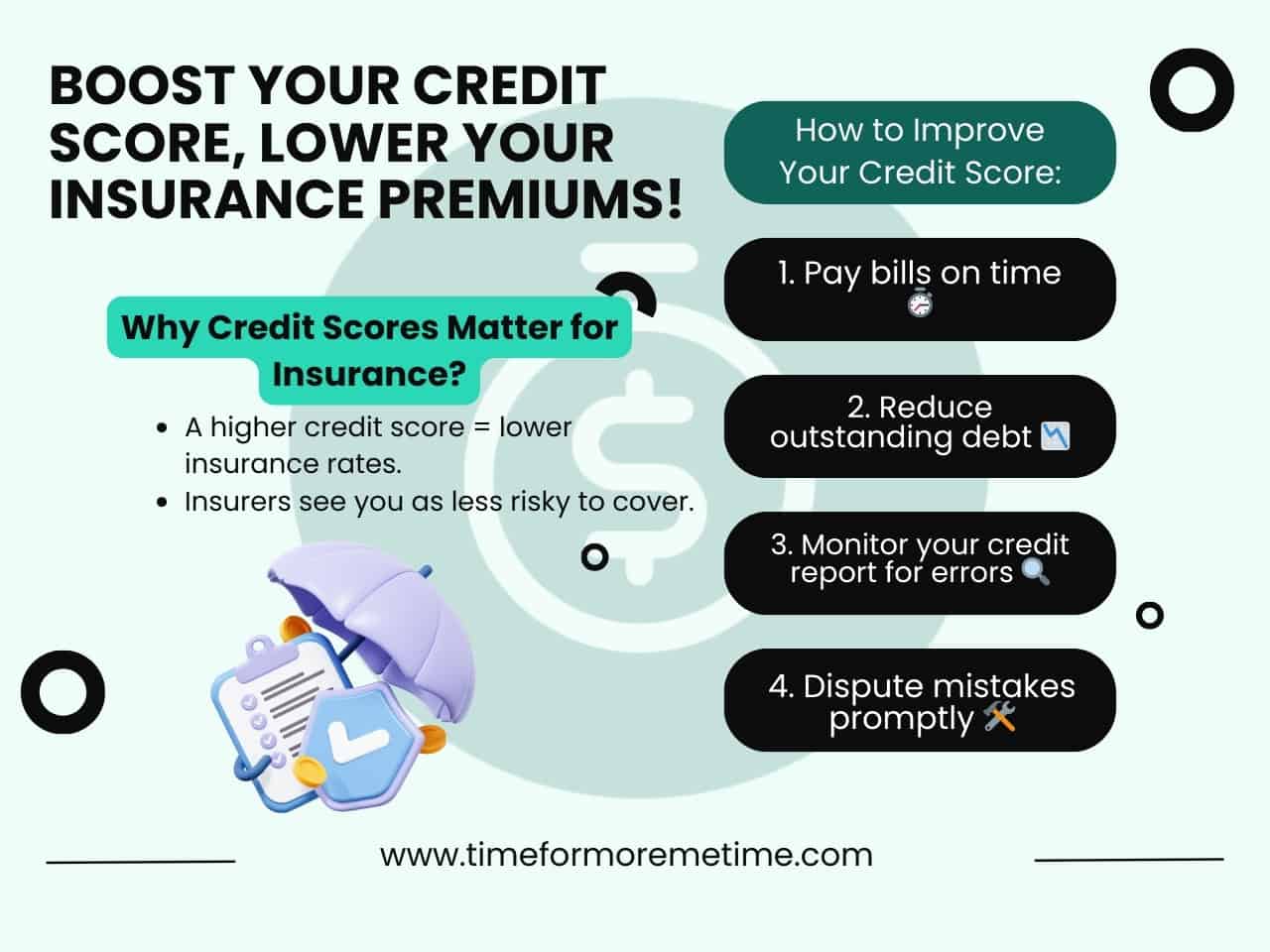 When it comes to determining insurance premiums, several factors come into play. These factors can vary depending on the type of insurance, but there are some common elements that influence how much you pay for coverage.
Credit Score vs. Other Factors
One of the key factors that can impact your insurance premiums is your credit score. A strong business credit score can help lower your premiums, as it indicates to insurers that you are a lower risk customer. In comparison, other factors such as your claims history, the type of coverage you need, and the location of your business can also influence how much you pay for insurance.- Your Claims History: Insurance companies look at your past claims history to assess how likely you are to make a claim in the future. A history of frequent claims can result in higher premiums.
- Type of Coverage: The type of coverage you need for your business can also impact your insurance premiums. More comprehensive coverage will generally come with higher premiums.
- Location of Your Business: The location of your business can affect your insurance premiums due to factors such as crime rates, weather risks, and local regulations.
Credit-Based Insurance Scores vs. Traditional Credit Scores
It's important to note that credit-based insurance scores are different from traditional credit scores. While both types of scores are based on credit information, credit-based insurance scores are specifically designed to predict the likelihood of a policyholder filing a claim. These scores focus on factors that are most relevant to insurance risk, such as payment history, outstanding debt, and length of credit history.- Payment History: Timely payments on credit accounts can positively impact your credit-based insurance score, signaling to insurers that you are a responsible customer.
- Outstanding Debt: High levels of outstanding debt may indicate financial strain, potentially leading to higher insurance premiums.
- Length of Credit History: A longer credit history can demonstrate stability and reliability, which can be beneficial for your credit-based insurance score.
Strategies to Improve Business Credit Score
Improving your business credit score is essential for not only accessing better financing options but also for reducing insurance premiums. By taking actionable steps to boost your credit score, you can enjoy long-term benefits and savings on insurance costs.Establish a Positive Payment History
- Make sure to pay all your bills on time, as late payments can negatively impact your credit score.
- Set up automatic payments or reminders to ensure timely payments.
- Consistently paying bills on time will show creditors that your business is reliable and creditworthy.
Monitor Your Credit Utilization Ratio
- Keep your credit card balances low and aim to use no more than 30% of your available credit.
- High credit utilization can signal financial distress to creditors and lower your credit score.
- Paying down balances and keeping credit utilization in check can help improve your credit score over time.
Review and Dispute Errors on Your Credit Report
- Regularly check your credit report for any errors or inaccuracies that could be dragging down your score.
- If you find any mistakes, dispute them with the credit bureaus to have them corrected.
- Ensuring your credit report is accurate can help improve your credit score and lower insurance premiums.
Build a Diverse Credit Mix
- Having a variety of credit accounts, such as credit cards, loans, and lines of credit, can demonstrate responsible credit management.
- Strive to diversify your credit portfolio while maintaining a positive payment history across all accounts.
- A diverse credit mix can boost your credit score and make your business more attractive to insurers.
Last Point
The content of the concluding paragraph that provides a summary and last thoughts in an engaging manner
FAQ
Why is having a strong business credit score important for lowering insurance premiums?
Having a strong business credit score showcases financial stability and responsibility, making you less risky in the eyes of insurance companies, resulting in lower premiums.
How does a high credit score impact insurance premiums?
A high credit score can lead to lower insurance premiums as it reflects a lower risk of claims, which insurers consider when setting premium rates.
What are some strategies to improve a business credit score?
Businesses can improve their credit score by paying bills on time, reducing credit card balances, and monitoring credit reports regularly.