


Embarking on the journey of large scale siding installation, this introduction delves into the significance, challenges, and advantages of undertaking such projects. Providing a detailed overview, it sets the stage for a deep dive into this essential aspect of construction.
As we continue, we will explore the various types of siding materials, planning considerations, installation techniques, safety measures, and regulations involved in large scale siding projects.
Introduction to Large Scale Siding Installation
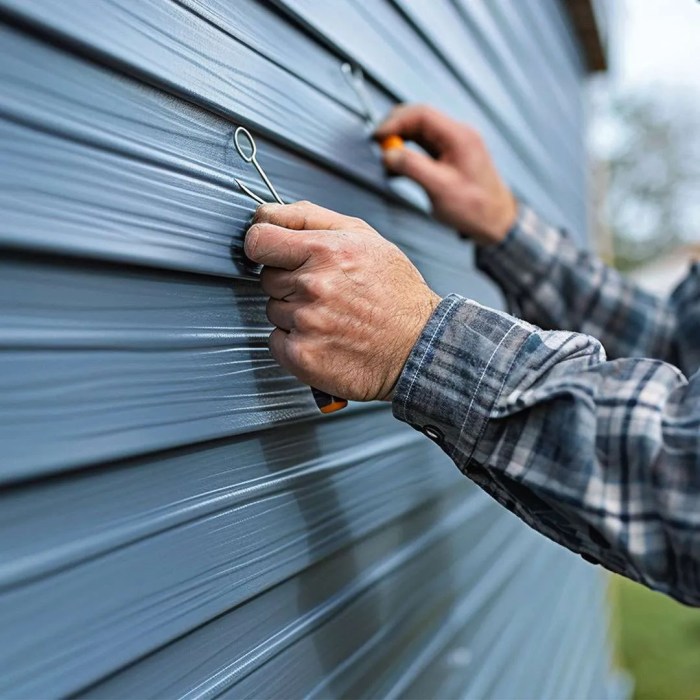
Large-scale siding installation plays a crucial role in construction projects, providing both functional and aesthetic benefits to buildings. The siding serves as a protective layer, shielding the structure from external elements such as rain, wind, and UV rays.
Challenges and Considerations
When it comes to large-scale siding installations, there are several challenges and considerations that need to be addressed. One of the main challenges is the logistics involved in handling and installing a significant amount of siding material. Additionally, ensuring proper alignment and weatherproofing on a large scale can be more complex than with smaller projects.
Benefits of Large-Scale Installations
Opting for large-scale siding installations over smaller-scale projects comes with various benefits. Firstly, economies of scale can lead to cost savings in terms of material and labor. Moreover, large-scale installations can enhance the overall appearance of a building, providing a cohesive look and improving its curb appeal.
Types of Siding Materials for Large-Scale Installations
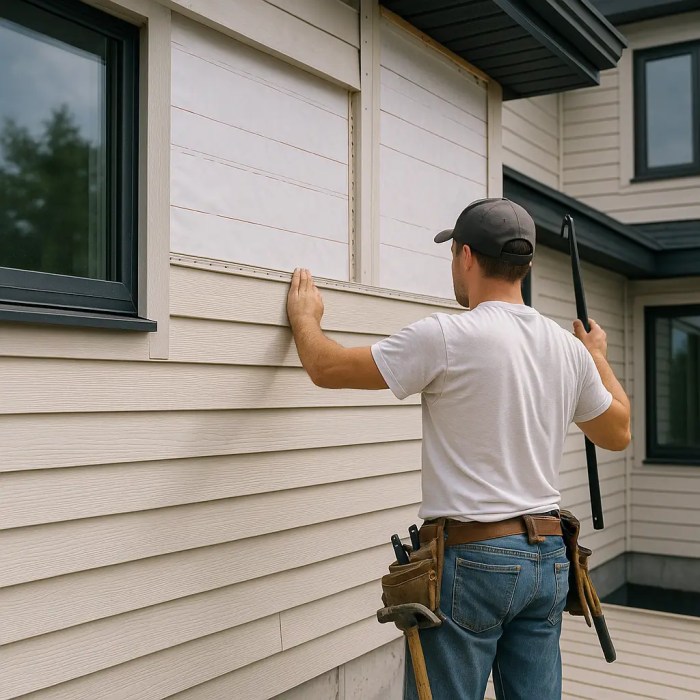
When it comes to large-scale siding installations, choosing the right siding material is crucial. Different types of siding materials offer varying levels of durability, cost-effectiveness, aesthetic appeal, and maintenance requirements. Let's explore some common options below.
Vinyl Siding
Vinyl siding is one of the most popular choices for large-scale installations due to its affordability and low maintenance. It is durable, resistant to rot, and comes in a variety of colors and styles. However, vinyl siding may not be as environmentally friendly as other options and can crack or fade over time.
Fiber Cement Siding
Fiber cement siding is known for its durability and resistance to fire, insects, and moisture. It can mimic the look of wood, brick, or stucco while being more cost-effective than traditional materials. However, fiber cement siding requires professional installation and regular painting or sealing to maintain its appearance.
Wood Siding
Wood siding offers a natural and timeless look that can enhance the aesthetic appeal of a building. It is eco-friendly and can be easily painted or stained to match any design preference. However, wood siding is susceptible to rot, pests, and warping if not properly maintained, making it a higher maintenance option.
Aluminum Siding
Aluminum siding is lightweight, durable, and resistant to rust and fire. It requires minimal maintenance and can be painted to achieve a custom look. However, aluminum siding may dent easily and is not as energy-efficient as other materials.
Composite Siding
Composite siding combines various materials like wood fibers, cement, and polymers to create a durable and low-maintenance option. It is resistant to rot, insects, and moisture while offering a wide range of styles and colors. However, composite siding can be more expensive upfront compared to other materials.
Brick Siding
Brick siding provides a classic and elegant appearance that is long-lasting and energy-efficient. It is resistant to pests, fire, and weather damage, making it a low-maintenance option. However, brick siding is one of the more expensive choices and requires professional installation due to its weight and complexity.
Planning and Design Considerations
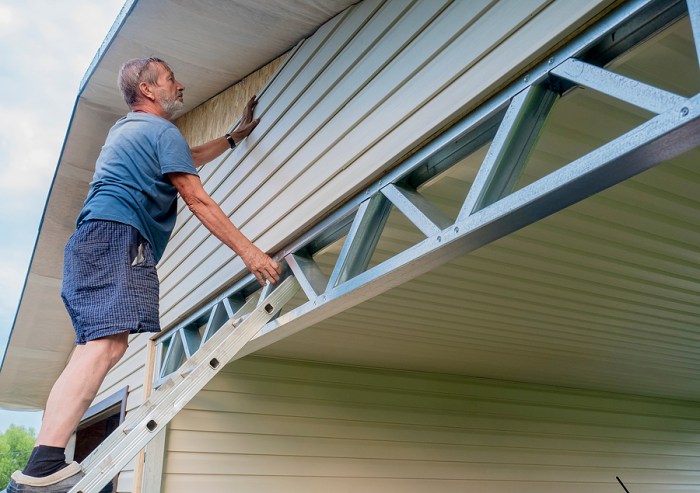
When undertaking a large-scale siding installation project, careful planning and thoughtful design considerations are crucial for a successful outcome. From initial assessment to final execution, each step plays a significant role in ensuring the project's efficiency and effectiveness.
Crucial Steps in Planning
- Conduct a thorough site assessment to understand the scope of work and necessary materials.
- Create a detailed project timeline outlining milestones and deadlines for each phase of the installation.
- Obtain necessary permits and approvals from local authorities to comply with regulations and codes.
- Secure reliable suppliers for siding materials and other essential components to avoid delays.
- Allocate resources effectively, including labor, equipment, and budget, to meet project requirements.
Design Aspects to Consider
- Select siding materials that complement the architectural style of the building and offer durability for long-term performance.
- Ensure proper integration of siding with other exterior elements such as windows, doors, and trim for a cohesive look.
- Consider color choices and textures to enhance the overall aesthetic appeal of the property.
- Incorporate energy-efficient features like insulation and ventilation to improve the building's thermal performance.
Role of Weather Conditions and Geographic Location
- Account for local climate patterns and weather conditions that may impact the installation process, such as high winds, extreme temperatures, or precipitation.
- Choose siding materials that are suitable for the geographic location, considering factors like moisture resistance, UV protection, and overall resilience to environmental factors.
- Implement strategies to mitigate potential risks associated with adverse weather conditions, such as scheduling work during optimal weather periods or providing temporary protection for ongoing installations.
Installation Techniques for Large-Scale Projects
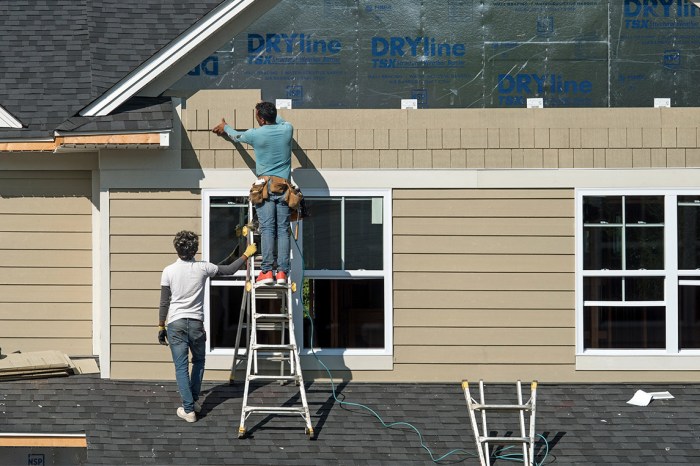
Installing siding on a large scale requires specialized techniques to ensure efficiency and quality workmanship. Here, we will discuss the equipment, tools, and best practices necessary for successful large-scale siding installations.
Specialized Techniques for Large-Scale Siding Installation
- Utilizing scaffolding and ladders: For multi-story buildings, scaffolding and ladders are essential for reaching high areas safely and efficiently.
- Team coordination: Large-scale projects require coordination among team members to ensure seamless installation and minimize errors.
- Precise measurements: Accurate measurements are crucial to ensure that the siding fits perfectly and looks uniform across the entire structure.
- Weathertight installation: Proper sealing and flashing techniques are necessary to prevent water infiltration and ensure the longevity of the siding.
Equipment and Tools Required for Large-Scale Installations
- Siding nailers and air compressors: These tools are essential for fastening the siding securely to the structure.
- Cutting tools: Circular saws, snips, and utility knives are required to cut the siding to the correct dimensions.
- Level and chalk line: Ensuring that the siding is installed straight and level is crucial for a professional finish.
- Sealants and adhesives: Using high-quality sealants and adhesives is essential to protect the siding from moisture and other elements.
Best Practices for Quality Workmanship in Large-Scale Projects
- Proper surface preparation: Cleaning and priming the surface before installation ensures that the siding adheres properly and lasts longer.
- Regular inspections: Inspecting the work regularly during installation helps identify any issues early on and rectify them promptly.
- Follow manufacturer guidelines: Adhering to the manufacturer's installation instructions is crucial to maintain warranties and ensure proper installation.
- Quality materials: Using high-quality siding materials and accessories is essential for durability and a professional finish.
Safety Measures and Regulations
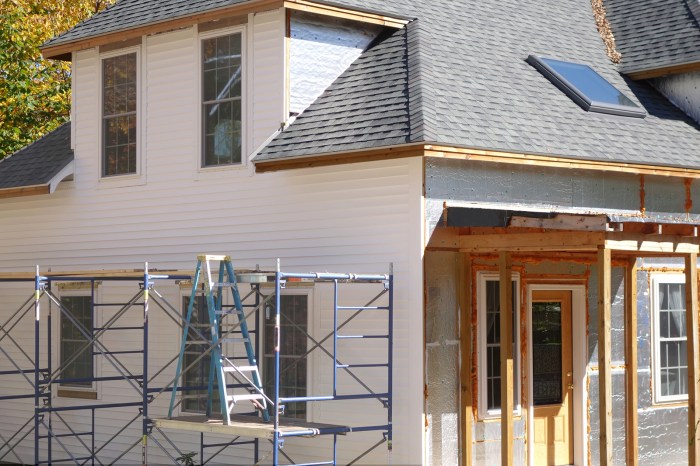
When it comes to large-scale siding installations, prioritizing safety is crucial to ensure the well-being of workers and the overall success of the project. Adhering to safety measures and regulations not only protects individuals on the job site but also helps to prevent costly accidents and delays.
Safety Precautions for Large-Scale Siding Installations
- Always wear appropriate personal protective equipment (PPE) such as gloves, eye protection, and hard hats to prevent injuries.
- Ensure that all workers are properly trained in handling tools and equipment to avoid accidents.
- Secure ladders and scaffolding properly to prevent falls and injuries while working at heights.
- Follow manufacturer guidelines for the safe handling and installation of siding materials.
- Maintain a clean and organized work area to prevent tripping hazards and accidents.
Regulatory Requirements and Building Codes
- Check local building codes and regulations to ensure compliance with specific requirements for siding installations.
- Obtain necessary permits before starting work on large-scale siding projects to avoid legal issues and fines.
- Ensure that all installations meet industry standards and guidelines to guarantee the structural integrity and safety of the building.
Common Safety Hazards and Mitigation Strategies
- Electrical hazards: Avoid working near power lines and ensure that all electrical tools are properly grounded.
- Falling objects: Use debris nets and toe boards to prevent materials from falling and causing injuries to workers below.
- Hazardous materials: Handle and dispose of siding materials containing asbestos or other hazardous substances according to regulations.
- Weather conditions: Monitor weather forecasts and avoid working in extreme conditions to prevent accidents and injuries.
Conclusive Thoughts
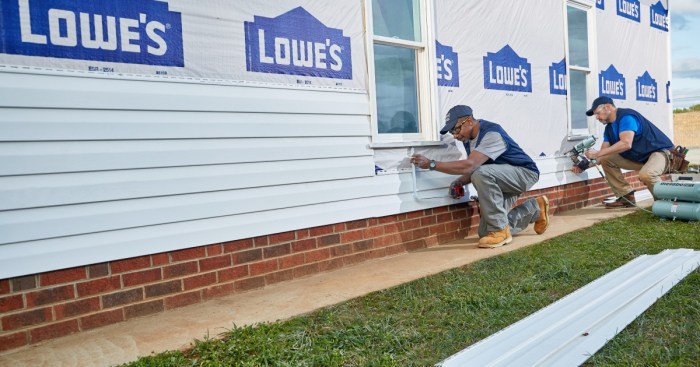
Concluding our discussion on large scale siding installation, we have covered key aspects such as material selection, planning, execution, and safety. This guide aims to equip you with the knowledge needed for successful large scale siding projects.
FAQs
What are the common challenges in large scale siding installation projects?
Common challenges include logistical coordination, material selection, and ensuring uniformity across a large surface area.
How do weather conditions affect large scale siding installation?
Extreme weather can impact the installation timeline and the durability of the siding materials. Proper planning and adjustments are crucial in such cases.
What safety precautions should be taken during large scale siding installations?
Safety measures include using protective gear, securing ladders, and following proper handling procedures to prevent accidents on the worksite.