


Embark on a journey into the world of siding panel replacement, where we explore the significance of maintaining a home's exterior through this process. Learn to identify signs for replacement and discover the array of materials used for this essential task.
Prepare to delve deeper into the tools required, safety measures to consider, and the intricate steps involved in the replacement process.
Understanding Siding Panel Replacement
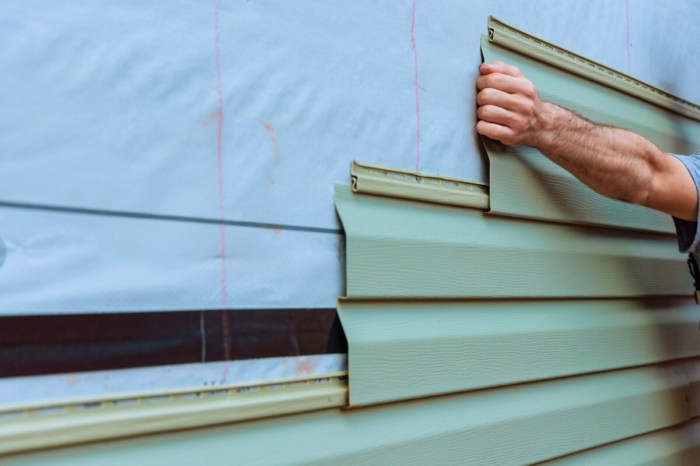
Replacing siding panels is crucial for maintaining a home's exterior as it not only enhances the curb appeal but also protects the house from weather elements and structural damage.
Signs for Siding Panel Replacement
- Cracks or splits in the siding panels
- Peeling or blistering paint on the siding
- Visible mold or mildew growth
- Signs of rot or decay on the siding
- Increased energy bills due to poor insulation
Types of Materials for Siding Panel Replacement
- Vinyl:Affordable, low maintenance, and comes in various colors and styles.
- Fiber Cement:Durable, fire-resistant, and can mimic the look of wood.
- Wood:Traditional and natural aesthetic, but requires more maintenance.
- Aluminum:Lightweight, resistant to rust, and can be easily painted.
- Composite:Made of recycled materials, eco-friendly, and durable.
Preparation for Siding Panel Replacement
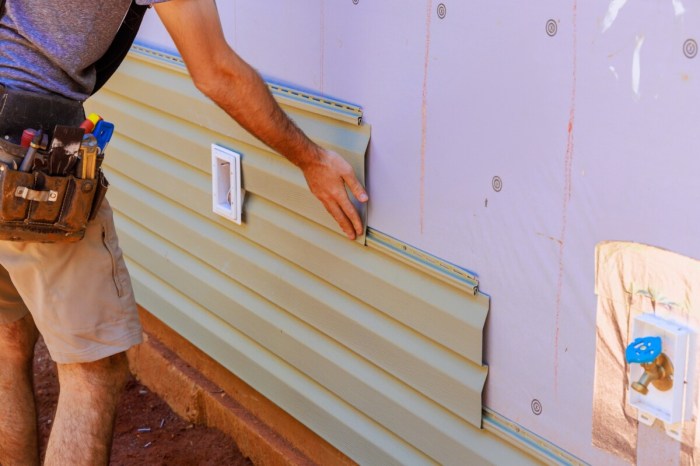
Before starting a siding panel replacement project, it is crucial to gather the necessary tools and equipment and prepare the area properly. Additionally, taking safety precautions is essential to ensure a smooth and accident-free replacement process.
Tools and Equipment Required
- Replacement siding panels
- Hammer or nail gun
- Pry bar
- Caulk gun
- Tape measure
- Ladder
- Gloves and safety glasses
- Siding nails or screws
- Level
- Safety harness (if working at heights)
Steps for Preparing the Area
- Remove any obstacles or furniture near the area where the siding panel replacement will take place.
- Clean the area by removing dirt, debris, and old caulk to ensure a smooth surface for the new siding panel.
- Inspect the surrounding siding panels for any damage or signs of wear that may need to be addressed during the replacement process.
- Measure the dimensions of the replacement siding panel and ensure it fits properly before starting the installation.
Safety Precautions
- Wear appropriate safety gear such as gloves and safety glasses to protect yourself from debris and sharp edges.
- Use a sturdy ladder and ensure it is placed on stable ground to prevent falls while working at heights.
- Avoid working alone, especially when using power tools, and have someone nearby in case of an emergency.
- Disconnect any electrical connections near the work area to prevent accidents.
- Follow manufacturer's instructions for the tools and equipment being used to ensure safe operation.
Removing Old Siding Panels
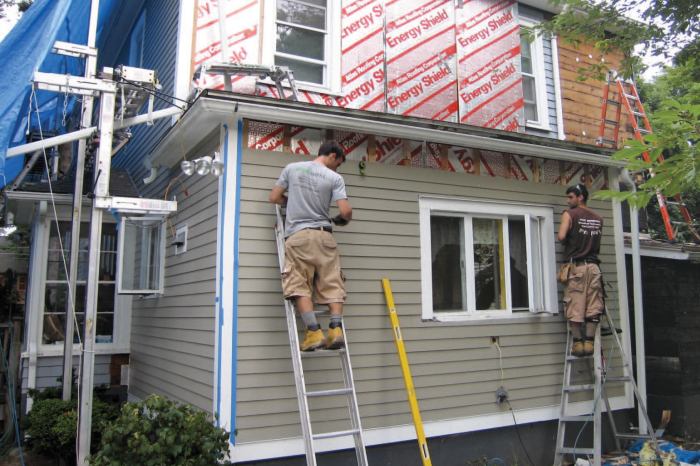
When it comes to replacing siding panels, the first step is to safely remove the old ones without causing damage to the underlying structure. Here are some methods to help you with this process:
Inspection of Underlying Structure
Before installing new siding panels, it is essential to inspect the underlying structure for any signs of damage. This can include rot, mold, or insect infestations. By addressing any issues beforehand, you can ensure a solid foundation for the new siding.
Disposal of Old Siding Panels
When it comes to disposing of old siding panels, it's important to do so in an environmentally friendly manner. One option is to recycle the panels if possible. You can check with local recycling centers or scrap metal facilities to see if they accept old siding materials.
If recycling is not an option, be sure to dispose of the panels properly according to your local waste management guidelines.
Installing New Siding Panels
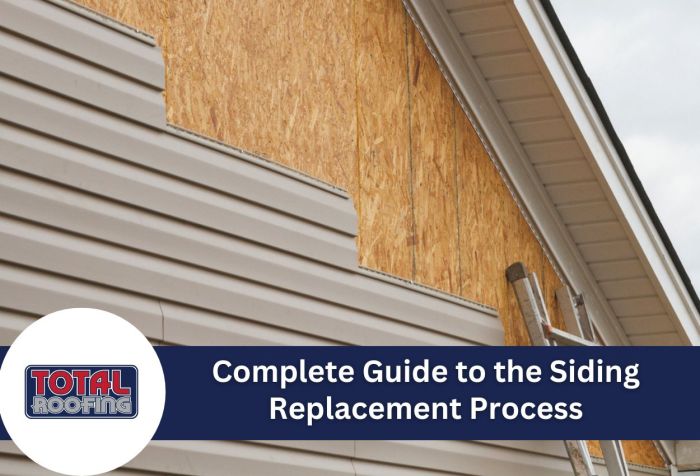
When it comes to installing new siding panels, it is important to follow a step-by-step process to ensure a proper and secure fit. Proper alignment and customization are essential for a professional finish that enhances the exterior of your home.
Step-by-Step Process
- Start by measuring the area where the new siding panels will be installed to determine the size needed.
- Cut the siding panels to the correct size using a circular saw or tin snips, ensuring clean and precise cuts.
- Begin installing the panels at the bottom of the wall, securing them with nails or screws at the top edge, leaving room for expansion.
- Continue installing the panels row by row, making sure each panel overlaps the previous one to prevent water infiltration.
- Use a level to ensure the panels are straight and properly aligned throughout the installation process.
- Finish the installation by trimming any excess material and sealing the edges with caulk for a seamless look.
Best Practices for Alignment and Securing
- Use a chalk line to mark a straight guideline for the bottom edge of the panels before installation.
- Secure the panels with nails or screws at regular intervals, following the manufacturer's guidelines for proper spacing.
- Overlap the panels correctly to prevent gaps that could allow water or pests to enter the wall cavity.
- Check the alignment and level of each panel as you go, making adjustments as needed for a professional finish.
Cutting and Customizing Panels
- Measure the area to be covered by the siding panel and mark the cutting lines with a pencil.
- Use a circular saw or tin snips to cut the panels to the correct size, ensuring a clean and accurate cut.
- For corners or edges, miter the panels at a 45-degree angle for a seamless and professional look.
- Customize panels for windows, doors, or other obstacles by carefully measuring and cutting to fit around them.
Finishing Touches and Maintenance
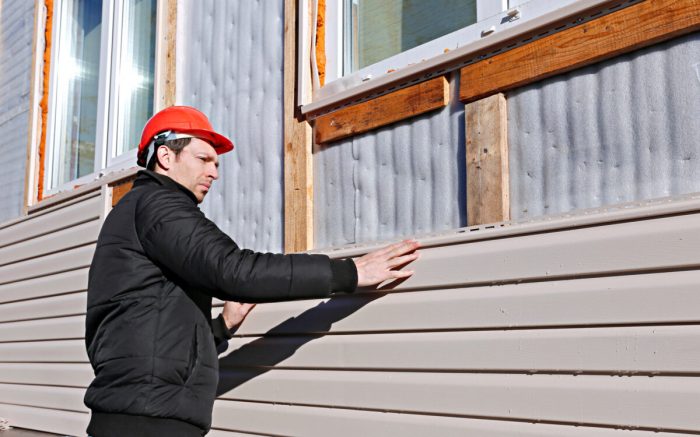
Adding the final touches to your siding panel replacement project is crucial for achieving a polished look and ensuring the longevity of your new panels. Additionally, proper maintenance is key to preserving the beauty and functionality of your siding. Here's a guide on how to add finishing touches and maintain your newly replaced siding panels.
Adding Finishing Touches
After installing the new siding panels, it's essential to add trim and corner pieces to enhance the overall appearance and provide a seamless finish. Use matching trim pieces that complement the color and style of your siding panels. Secure the trim and corner pieces properly to ensure they stay in place and withstand the elements.
- Trim: Install trim pieces around windows, doors, and corners to cover the exposed edges of the siding panels.
- Corner Pieces: Use corner pieces to create clean and polished edges at the corners of your home.
Properly installed trim and corner pieces not only enhance the aesthetics of your home but also provide added protection against moisture and pests.
Maintaining Siding Panels
To prolong the lifespan of your newly replaced siding panels, regular maintenance is essential. Here are some tips for maintaining your siding:
- Clean Regularly: Remove dirt, debris, and mold from the siding panels by washing them with a mild detergent and water.
- Inspect for Damage: Periodically inspect the siding panels for any signs of damage, such as cracks or warping, and address them promptly.
- Trim Overhanging Branches: Trim any overhanging branches near the siding to prevent damage from falling branches or leaves.
- Seal Gaps: Check for gaps or cracks in the siding panels and seal them to prevent moisture infiltration.
By following a regular maintenance routine, you can extend the life of your siding panels and keep your home looking fresh and well-maintained.
Common Issues and Solutions
After siding panel replacement, you may encounter some common issues that require attention. Here are a few problems that may arise and how to address them:
- Moisture Build-up: If you notice moisture build-up behind the siding panels, it could indicate poor installation or a leak. Address the issue promptly to prevent mold and rot.
- Color Fading: Over time, the color of your siding panels may fade due to exposure to the sun. Consider repainting or adding a protective coating to restore the color.
- Loose Panels: If any siding panels become loose or detached, reattach them securely to prevent further damage.
Regular inspections and timely repairs can help you address common issues and maintain the integrity of your siding panels for years to come.
Ultimate Conclusion
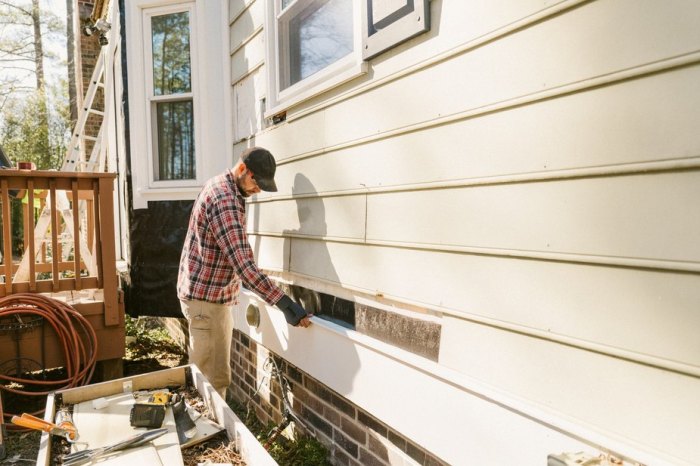
As we conclude our discussion on siding panel replacement, remember the importance of finishing touches and maintenance to ensure longevity. Be equipped to tackle any issues that may arise post-replacement, with our comprehensive guide at your disposal.
General Inquiries
What are the signs that indicate the need for siding panel replacement?
Signs include warping, rotting, or cracks in the siding panels, which may compromise the exterior of the home.
How can old siding panels be safely removed?
Old siding panels can be safely removed by using a pry bar and carefully detaching them from the wall, starting from the top.
What are the best practices for ensuring proper alignment and securing of new siding panels?
Proper alignment can be achieved by using a level during installation and securing the panels with appropriate fasteners.
How can siding panels be customized to fit specific areas of the exterior?
Siding panels can be cut to size using a saw or specialized cutting tool to ensure a precise fit.
How can newly replaced siding panels be maintained for longevity?
Regular cleaning, inspection for damage, and prompt repairs are key to maintaining the lifespan of newly replaced siding panels.