


Embarking on a journey into the realm of mold resistant vinyl siding, this introduction sets the stage for an insightful exploration of its advantages and features.
Delving further into the specifics, we uncover the key aspects that make mold resistant vinyl siding a top choice for homeowners seeking durability and protection.
Importance of Mold Resistant Vinyl Siding
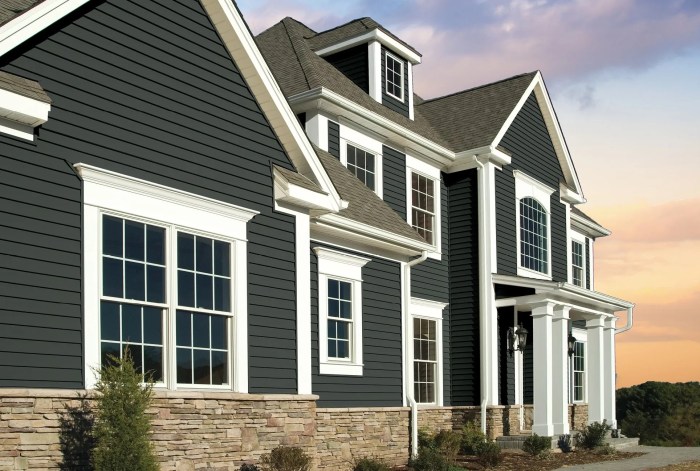
Using mold resistant vinyl siding is crucial for homeowners looking to protect their property and maintain a healthy living environment. Mold can pose serious health risks and structural damage if left unchecked, making prevention a top priority.
Benefits of Mold Resistant Vinyl Siding
- Prevents Mold Growth: Mold resistant vinyl siding inhibits the growth of mold and mildew, keeping your home free from these harmful substances.
- Easy Maintenance: Unlike traditional siding options that may require frequent cleaning and upkeep to prevent mold, mold resistant vinyl siding is low-maintenance.
- Durable and Long-lasting: Mold resistant vinyl siding is designed to withstand harsh weather conditions, ensuring its longevity and effectiveness in mold prevention.
Situations Where Mold Resistant Vinyl Siding is Advantageous
- In Humid Climates: Areas with high humidity levels are prone to mold growth, making mold resistant vinyl siding a valuable investment to protect your home.
- Near Water Sources: Homes located near bodies of water or in flood-prone areas are at higher risk of mold infestations, making mold resistant vinyl siding a practical choice.
- Allergy Concerns: For individuals with allergies or respiratory issues, mold resistant vinyl siding can help create a healthier indoor environment by reducing the presence of mold spores.
Features of Mold Resistant Vinyl Siding
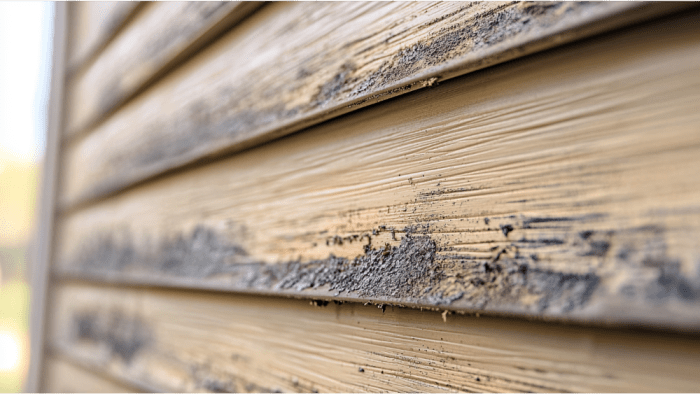
Vinyl siding that is resistant to mold comes with specific features that set it apart from regular vinyl siding. These features are crucial in preventing mold growth and maintaining the integrity of the siding over time.
Composition
Mold resistant vinyl siding is typically formulated with additives that inhibit the growth of mold and mildew. These additives are mixed into the vinyl material during the manufacturing process, ensuring that the entire siding piece is protected. In comparison, regular vinyl siding lacks these mold-resistant additives, making it more susceptible to mold growth in damp or humid conditions.
Durability
The composition of mold resistant vinyl siding contributes to its durability against mold and mildew. By incorporating special additives, this type of siding is better equipped to withstand moisture exposure without promoting mold growth. This durability ensures that the siding remains in good condition for longer periods, reducing the need for maintenance and replacements.
Low Maintenance
Thanks to its mold-resistant properties, vinyl siding that is designed to resist mold requires minimal maintenance compared to regular vinyl siding. The prevention of mold growth means that homeowners can enjoy a cleaner and healthier exterior without the need for frequent cleaning or treatments to combat mold and mildew buildup.
Installation Process
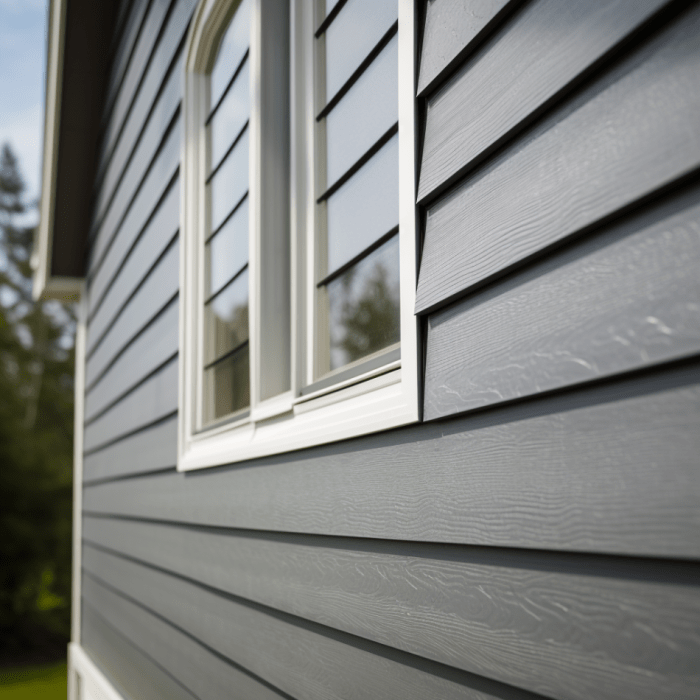
When it comes to installing mold resistant vinyl siding, following the correct steps is crucial to ensure the effectiveness of the siding in preventing mold growth on your home's exterior.
Preparation
Before starting the installation process, make sure to properly prepare the surface where the vinyl siding will be installed. This includes cleaning the area thoroughly to remove any dirt, debris, or existing mold. Inspect the surface for any signs of damage or rot that may need to be addressed before proceeding with the installation.
Proper Ventilation
One key consideration during the installation of mold resistant vinyl siding is to ensure proper ventilation behind the siding. This helps to prevent moisture buildup, which can lead to mold growth. Make sure to leave enough space between the siding and the wall for air circulation to occur
Sealing Joints
To maximize the mold resistance of the vinyl siding, it is important to properly seal all joints and seams. Use quality sealants to prevent water from seeping behind the siding, as moisture is a primary factor in mold growth. Pay close attention to areas around windows, doors, and corners where water can easily penetrate.
Professional Installation
While it is possible to install mold resistant vinyl siding as a DIY project, hiring a professional installer can ensure that the siding is installed correctly and effectively. A professional will have the experience and tools necessary to handle any challenges that may arise during the installation process.
Maintenance
After the installation is complete, regular maintenance is key to ensuring the long-term effectiveness of the mold resistant vinyl siding. Keep the siding clean and inspect it periodically for any signs of damage or wear. Addressing any issues promptly can help prevent mold growth and extend the lifespan of the siding.
Maintenance and Care
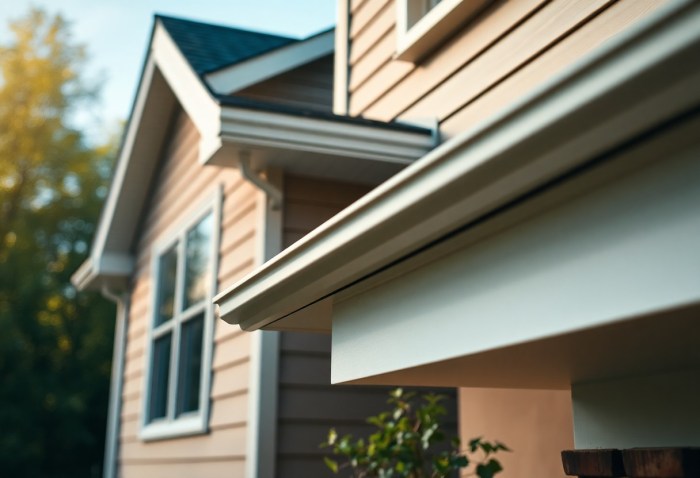
Proper maintenance and care are essential to ensure that mold resistant vinyl siding remains in top condition and effectively prevents mold growth.
Regular Cleaning
- Regularly clean the siding with a mixture of mild soap and water to remove dirt, dust, and other debris that can provide a breeding ground for mold.
- Use a soft-bristled brush or a cloth to gently scrub the siding, avoiding harsh scrubbing that can damage the surface.
- Rinse the siding thoroughly with clean water to remove any soap residue.
Mold Prevention
- Inspect the siding regularly for any signs of mold growth, such as black spots or discoloration.
- If mold is present, use a solution of water and white vinegar to clean the affected areas, as vinegar is a natural mold inhibitor.
- Avoid using harsh chemicals or abrasive cleaners, as they can damage the siding and reduce its mold resistance.
Specific Products and Methods
- Consider using specialized mold-resistant cleaning solutions that are safe for vinyl siding to maintain its mold resistance properties.
- Use a pressure washer with caution, keeping the water pressure low to prevent damage to the siding while effectively cleaning it.
- Apply a vinyl siding protectant after cleaning to help maintain the siding's mold resistance and protect it from environmental elements.
Outcome Summary
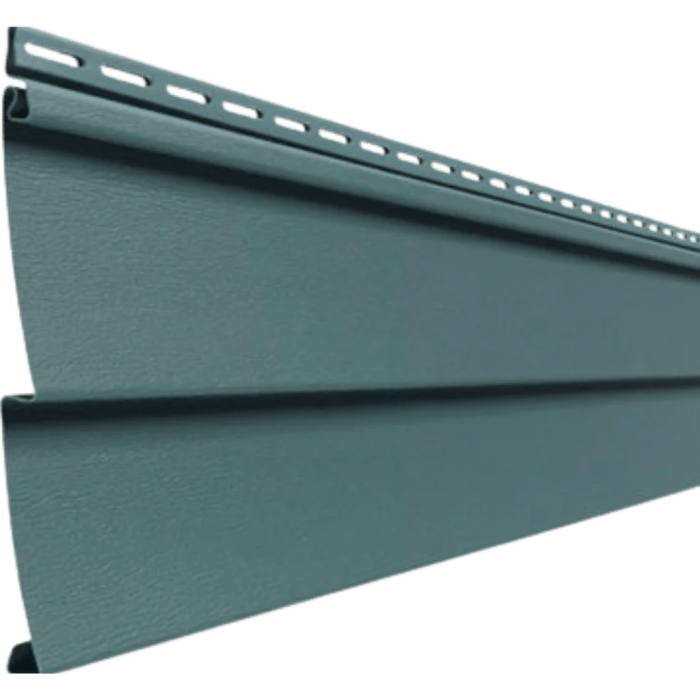
Concluding our discussion on mold resistant vinyl siding, we reflect on the importance of its maintenance and care for long-lasting performance. Discover how this innovative siding option can elevate your home's protection against mold growth.
Essential Questionnaire
What makes mold resistant vinyl siding stand out?
Mold resistant vinyl siding contains additives that inhibit mold growth, ensuring a cleaner and healthier environment for homeowners.
How does maintenance play a role in preserving mold resistance?
Regular cleaning and upkeep are essential to maintain the mold resistance of vinyl siding, prolonging its lifespan and effectiveness.
Can mold resistant vinyl siding be installed like traditional siding?
Yes, the installation process is similar, but it's crucial to follow specific guidelines to maximize the siding's mold-resistant properties.