


Embark on a journey to explore the world of cracked vinyl siding repair, where the importance of timely solutions and preventive measures take center stage. From DIY methods to professional options, this guide covers it all to help you maintain the structural integrity of your property.
As we delve deeper into the intricacies of identifying and repairing cracked vinyl siding, you'll discover valuable insights and practical tips to tackle this common issue effectively.
Importance of Cracked Vinyl Siding Repair
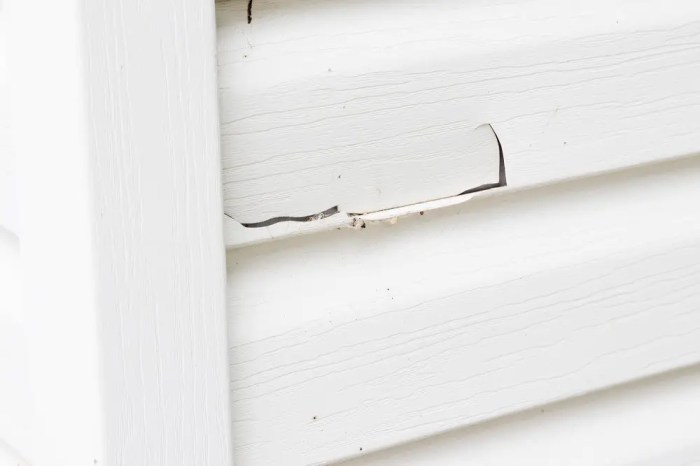
Repairing cracked vinyl siding is crucial for maintaining the structural integrity of a building. Vinyl siding acts as a protective barrier against the elements, so any cracks or damages can compromise its effectiveness.
Preventing Further Damage
Timely repairs are essential to prevent further damage to the property. Cracks in the vinyl siding can allow moisture to seep in, leading to mold growth, wood rot, and even structural issues. By addressing the cracks promptly, you can avoid costly repairs down the line.
Consequences of Neglect
Neglecting cracked vinyl siding can have serious consequences. Not only does it affect the curb appeal of the property, but it can also impact its value. Additionally, water damage caused by untreated cracks can lead to health hazards for occupants due to mold growth.
Ignoring these issues can result in extensive and expensive repairs in the future.
Identifying Cracked Vinyl Siding
Cracked vinyl siding can be a common issue that homeowners face, but it is important to identify these cracks early to prevent further damage to your home. Here are some key points to help you recognize cracked vinyl siding:
Common Signs of Cracked Vinyl Siding
- Warping: Look for areas where the siding appears distorted or has a wavy texture, as this could indicate underlying cracks.
- Buckling: Check for sections of siding that are bulging or pulling away from the wall, as this may be a sign of cracks.
- Visible Cracks: Inspect the surface of the vinyl siding for any visible cracks or breaks in the material.
Tips for Inspecting Vinyl Siding for Cracks
- Regularly walk around your home and visually inspect the vinyl siding for any signs of damage.
- Use a pair of binoculars to inspect higher areas of siding that may be difficult to see up close.
- Run your hand along the siding to feel for any irregularities or gaps that could indicate cracks.
The Importance of Addressing Cracks Early
It is crucial to address cracked vinyl siding early on to prevent extensive damage to your home. If left untreated, cracks can allow moisture to seep behind the siding, leading to mold growth, wood rot, and structural issues. By addressing cracks promptly, you can save yourself from costly repairs down the line.
DIY Repair Methods for Cracked Vinyl Siding
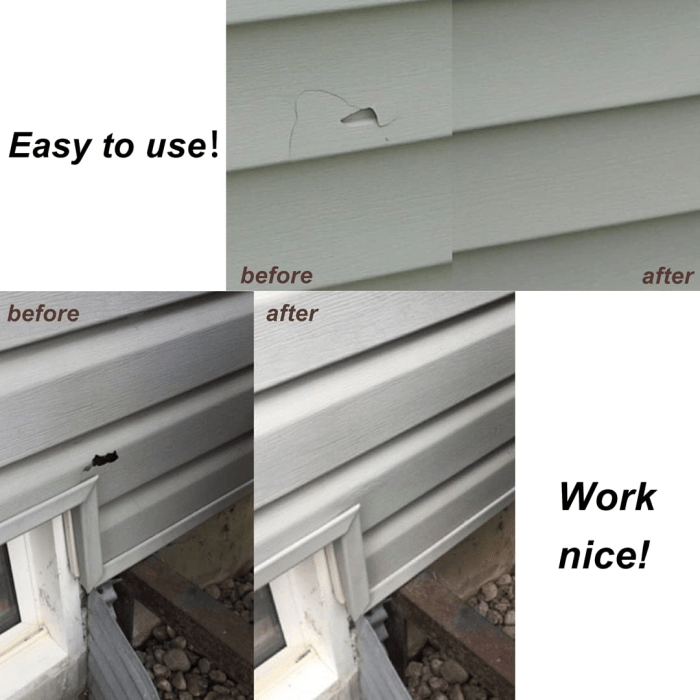
Repairing cracked vinyl siding on your own can save you money and time. Here are some step-by-step methods, recommended tools, materials, and safety precautions to consider while working on cracked vinyl siding.
Step-by-Step Repair for Small Cracks in Vinyl Siding
- Clean the cracked area with a mild detergent and water to remove any dirt or debris.
- Use a utility knife to carefully remove any loose or damaged pieces of vinyl siding.
- Cut a replacement piece of siding to fit the area, making sure to leave a small gap for expansion.
- Slide the replacement piece into place and secure it with nails or screws, being careful not to over tighten.
- Use a color-matched caulk to seal the edges of the new piece and blend it with the existing siding.
Recommended Tools and Materials
- Utility knife
- Replacement vinyl siding
- Nails or screws
- Color-matched caulk
- Mild detergent
- Caulk gun
- Ladder
Safety Precautions
- Wear gloves and safety glasses to protect your hands and eyes from sharp edges and debris.
- Use caution when working on a ladder and ensure it is on a stable surface.
- Avoid working in extreme weather conditions, such as high winds or rain, as it can make repairs more difficult and dangerous.
- If you are not comfortable making repairs on your own, consider hiring a professional to ensure the job is done correctly and safely.
Professional Repair Options
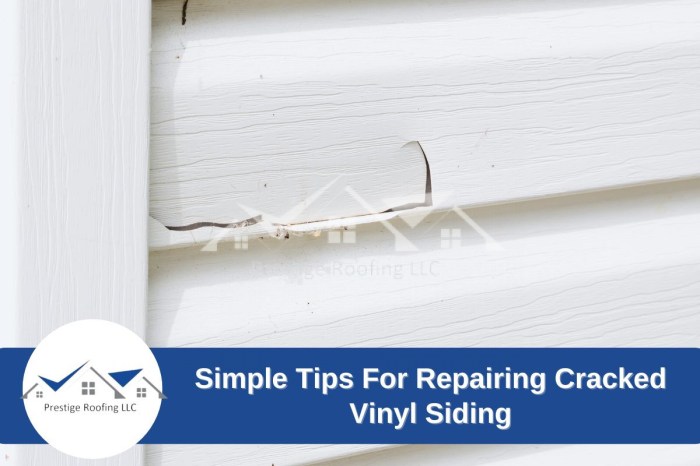
When it comes to repairing cracked vinyl siding, hiring a professional contractor can offer several advantages over attempting a DIY repair. Professionals have the expertise, tools, and experience to ensure that the repair is done correctly and efficiently, saving you time and potential headaches in the long run.
Advantages of Hiring Professionals
- Expertise: Professionals have the knowledge and skills to accurately assess the extent of the damage and provide the best solution for repair.
- Quality Workmanship: Professional contractors are trained to deliver high-quality results that can enhance the overall appearance and durability of your vinyl siding.
- Efficiency: Hiring a professional can save you time and effort, as they have the tools and resources to complete the repair in a timely manner.
- Warranty: Many professional contractors offer warranties on their work, providing you with added peace of mind.
Process of Hiring a Contractor
- Research: Start by researching local contractors who specialize in vinyl siding repair. Look for reviews, ratings, and recommendations from trusted sources.
- Get Multiple Quotes: Obtain quotes from multiple contractors to compare prices, services offered, and timelines for the repair.
- Check Credentials: Verify that the contractor is licensed, insured, and has a good track record of completing similar projects successfully.
- Ask for References: Request references from past clients to get an idea of the contractor's work quality and professionalism.
Tips for Selecting a Reliable Contractor
- Communication: Choose a contractor who communicates effectively and is responsive to your questions and concerns.
- Experience: Look for a contractor with experience in vinyl siding repair to ensure they have the necessary expertise for the job.
- Written Contract: Always get a written contract outlining the scope of work, timeline, and cost to avoid any misunderstandings later on.
- Trust Your Instincts: If something doesn't feel right or you have doubts about a contractor, trust your instincts and consider other options.
Preventive Maintenance for Vinyl Siding
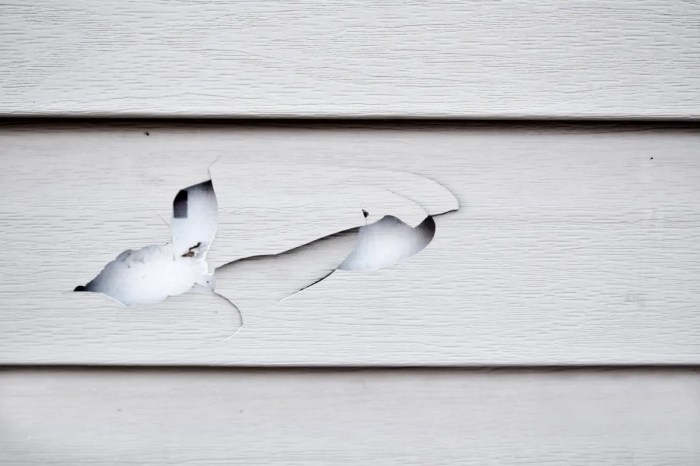
Ensuring proper preventive maintenance for vinyl siding is essential to avoid issues such as cracked siding in the future. By following specific measures and regular maintenance practices, you can significantly extend the lifespan of your vinyl siding and protect it from environmental factors that may cause cracks.
Regular Cleaning and Inspection
Regularly cleaning your vinyl siding can prevent dirt, debris, and mold from accumulating, which can weaken the material and lead to cracks. Inspecting the siding for any signs of damage or wear can help you address potential issues before they worsen.
Trimming Vegetation
Overgrown vegetation near your vinyl siding can cause moisture build-up and damage the material, leading to cracks. Trim any bushes, trees, or plants that are too close to the siding to prevent such issues.
Protecting from Harsh Weather Conditions
Extreme weather conditions like hail, strong winds, and heavy rain can damage vinyl siding and cause cracks. Installing storm shutters or protective barriers can help shield your siding from these elements and prevent potential damage.
Proper Installation and Maintenance of Gutters
Ensure that your gutters are properly installed and maintained to prevent water from overflowing and seeping behind the siding, which can lead to cracks. Regularly cleaning and inspecting gutters can help avoid such issues.
Conclusion
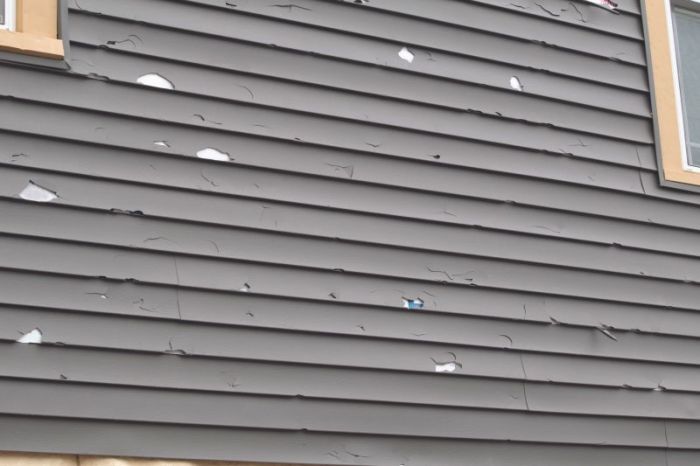
In conclusion, addressing cracked vinyl siding promptly is crucial for safeguarding your property against further damage. By implementing preventive maintenance strategies and choosing the right repair approach, you can ensure the longevity and durability of your vinyl siding.
FAQ Insights
What are the potential consequences of neglecting cracked vinyl siding issues?
Neglecting cracked vinyl siding can lead to water infiltration, mold growth, and structural damage to the building. Addressing these issues promptly is crucial to prevent further deterioration.
What are some common signs of cracked vinyl siding?
Common signs include warping, buckling, visible cracks, or gaps between siding panels. Regular inspection can help identify these issues early for timely repairs.
What are some recommended tools for DIY repair of cracked vinyl siding?
Tools such as a utility knife, zip tool, pry bar, and replacement siding panels are commonly used for DIY repairs. These tools can help you effectively address small cracks in your vinyl siding.