


Embark on a journey delving into the world of vinyl siding installation costs, where we unravel the various factors influencing pricing and provide insights to help you navigate this essential home improvement decision.
Discover the breakdown of costs, types of vinyl siding options, and crucial installation processes that can impact your budget.
Factors Affecting Vinyl Siding Installation Cost
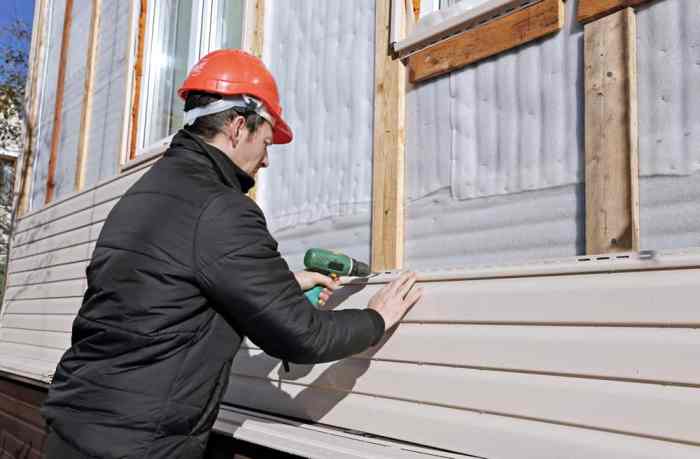
When considering the cost of vinyl siding installation, several factors come into play that can influence the overall expense.
Material Quality
The quality of the vinyl siding material chosen can significantly impact the installation cost. Higher-quality materials often come with a higher price tag, but they may also offer better durability and longevity.
Labor Costs
Labor costs are another crucial factor affecting the overall cost of vinyl siding installation. Skilled laborers may charge more for their services, but their expertise can ensure a high-quality installation that lasts for years to come.
Home Size
The size of the home also plays a role in determining the cost of vinyl siding installation. Larger homes require more materials and labor, leading to a higher overall cost compared to smaller residences.
Geographical Location
Geographical location can impact the cost of vinyl siding installation due to varying labor rates and material availability. Areas with a higher cost of living may see higher installation prices compared to regions with lower living expenses.
Additional Costs
In addition to the basic installation cost, homeowners may encounter additional expenses during the process. These can include the removal of existing siding, repairs to the underlying structure, or the need for custom cuts and fittings to accommodate unique architectural features of the home.
Average Cost Breakdown for Vinyl Siding Installation
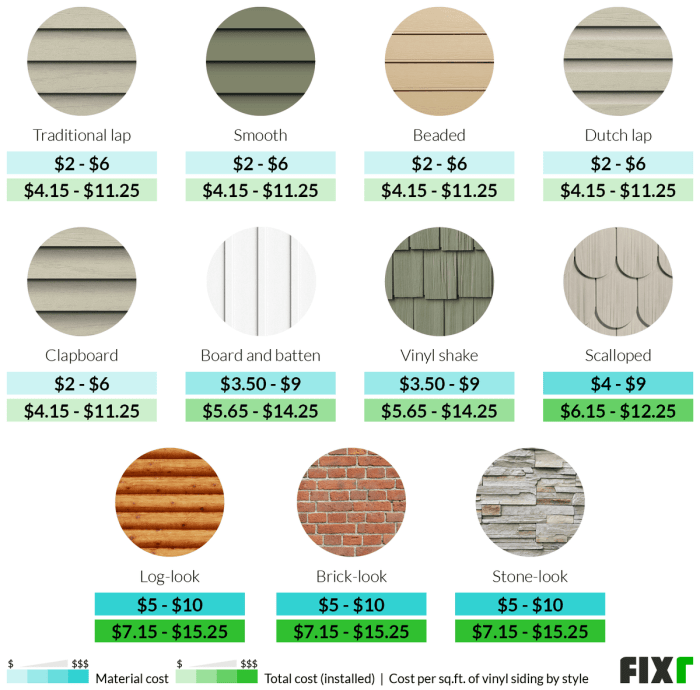
Installing vinyl siding involves several costs that contribute to the overall budget. Here is a breakdown of the average costs associated with vinyl siding installation, including materials, labor, permits, and potential unforeseen expenses.
Materials
- Cost of vinyl siding panels: Typically ranges from $2 to $7 per square foot, depending on the quality and style chosen.
- Additional materials (trim pieces, corner posts, J-channels, etc.): Approximately $1 to $3 per linear foot.
- Insulation materials: Around $0.50 to $1 per square foot.
Labor
- Professional installation labor costs: Average between $2 to $7 per square foot, depending on the complexity of the project and location.
- DIY labor costs: While you can save on labor by installing vinyl siding yourself, keep in mind that it requires skill and precision to ensure proper installation.
Permits and Unforeseen Expenses
- Permit costs: Vary by location but typically range from $100 to $300.
- Unforeseen expenses: It's recommended to set aside around 10% to 20% of the total project cost for unexpected issues or additional materials that may be required.
DIY vs. Professional Installation
- DIY installation can be cost-effective but requires time, effort, and the right tools. Mistakes can also lead to additional expenses.
- Professional installation ensures quality workmanship, saves time, and may come with warranties. However, it is generally more expensive upfront.
Cost-Saving Tips
- Shop around for competitive quotes from multiple contractors to get the best price.
- Consider off-peak seasons for installation when contractors may offer discounts.
- Opt for standard colors and styles of vinyl siding to avoid premium costs for custom options.
- Bundle the installation with other home improvement projects to potentially negotiate a lower overall price.
Types of Vinyl Siding and Their Cost Variances
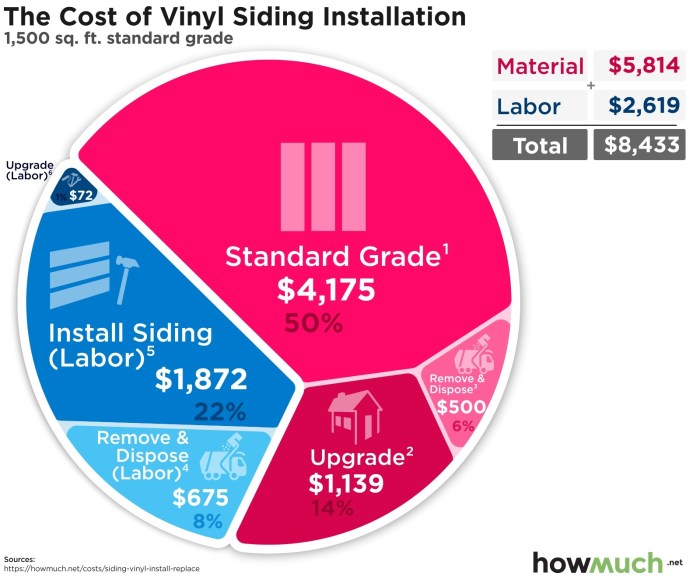
When it comes to vinyl siding, there are various options available in the market, each with its own cost implications. Understanding the differences between traditional vinyl siding, insulated vinyl siding, and premium vinyl options can help you make an informed decision based on your budget and long-term maintenance needs.
Traditional Vinyl Siding
- Traditional vinyl siding is the most affordable option upfront, making it a popular choice for many homeowners.
- It offers decent durability and weather resistance, but may require more frequent maintenance and repairs over time.
- On average, traditional vinyl siding can cost between $2 to $7 per square foot for materials and installation.
Insulated Vinyl Siding
- Insulated vinyl siding provides additional energy efficiency and noise reduction benefits compared to traditional vinyl siding.
- While it comes at a higher cost upfront, the long-term savings on energy bills can offset the initial investment.
- On average, insulated vinyl siding can cost between $4 to $12 per square foot for materials and installation.
Premium Vinyl Siding
- Premium vinyl siding offers enhanced durability, impact resistance, and a wider range of colors and styles to choose from.
- It is the most expensive option upfront, but requires minimal maintenance and is less likely to fade or warp over time.
- On average, premium vinyl siding can cost between $6 to $15 per square foot for materials and installation.
Understanding the Installation Process and Cost Factors
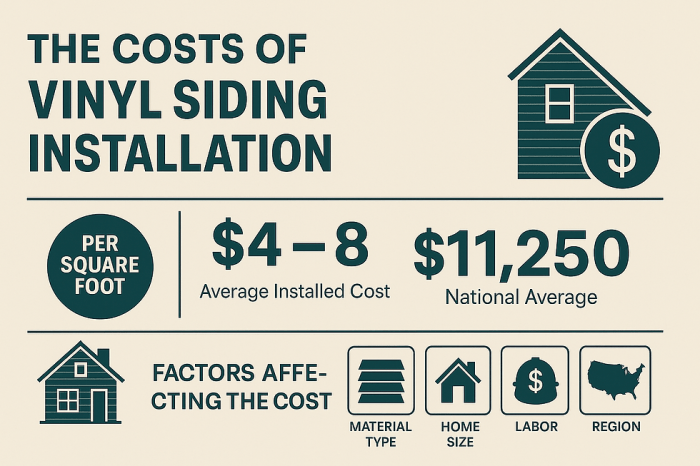
Installing vinyl siding involves several key steps that contribute to the overall cost. Factors such as existing siding removal, insulation installation, and trim work can significantly impact the final price. It is crucial to understand these elements to ensure a successful and cost-effective installation.
Steps Involved in Vinyl Siding Installation Process:
- Preparation of the exterior wall surface by cleaning and repairing any damages.
- Measurement and cutting of the vinyl siding panels to fit the specific dimensions of the wall.
- Installation of starter strips, corner posts, J-channels, and other necessary accessories.
- Mounting the vinyl siding panels onto the wall, ensuring proper alignment and overlap.
- Adding insulation material, if required, to improve energy efficiency.
- Finishing touches such as trim work around windows, doors, and corners.
Factors Influencing Vinyl Siding Installation Cost:
- Existing Siding Removal:The cost may increase if the old siding needs to be removed before installing the new vinyl siding.
- Insulation Installation:Adding insulation can enhance energy efficiency but will add to the overall cost of the project.
- Trim Work:Detailed trim work around windows, doors, and corners can increase the labor and material costs.
The Importance of Hiring a Reputable Contractor:
Choosing a reputable and experienced contractor is crucial for a successful and cost-effective vinyl siding installation. A professional installer will ensure that the project is completed efficiently, with attention to detail and quality workmanship. Additionally, hiring a reliable contractor can help prevent costly mistakes and ensure that the installation meets industry standards and local building codes.
End of Discussion
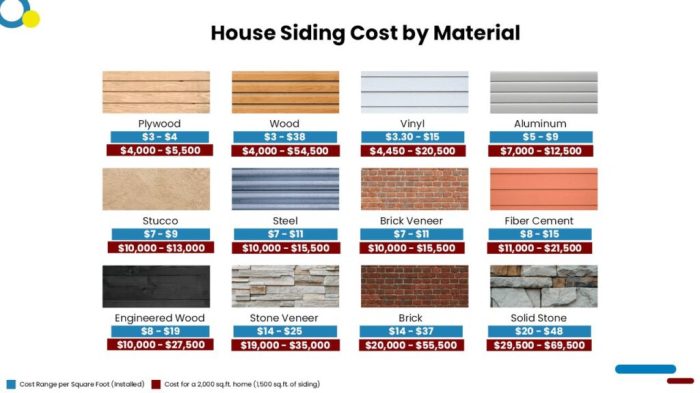
In conclusion, understanding the intricacies of vinyl siding installation costs is pivotal in making informed choices for your home. Armed with this knowledge, you can confidently embark on your renovation journey, ensuring a cost-effective and visually appealing outcome.
FAQs
What factors influence vinyl siding installation cost?
Factors like material quality, labor costs, home size, and geographical location can impact the overall cost.
What are the average cost breakdowns for vinyl siding installation?
The breakdown typically includes materials, labor, permits, and unforeseen expenses. DIY installation may differ in cost from hiring professionals.
What are the types of vinyl siding available and how do their costs vary?
Various options include traditional vinyl siding, insulated vinyl siding, and premium vinyl options, each with differing costs.
What is the importance of hiring a reputable contractor for vinyl siding installation?
A reputable contractor ensures a successful and cost-effective installation process, considering factors like existing siding removal and insulation installation.